Two routes · Public universities & DCG Halle gGmbH
Study in Germany via two clear routes
Germany opens two doors for Filipino students: public universities with little to no tuition, or our partner route through DCG Halle gGmbH – International Institute with full non-academic support. Either way you earn a world-class degree. You simply choose how much help you want along the way.
Study through DCG Halle gGmbH – International Institute, a state-recognized German non-profit that supports international students with university enrollment and every practical step of life abroad.
University programme placement & enrolment guidance
Visa guidance for documents, appointments, and the blocked account
Housing support in your German student city
Administrative assistance with registration, insurance, and paperwork
Partnership Note: Aartees Education works with DCG Halle gGmbH – International Institute, a state-recognized German non-profit supporting international students with university programs and full non-academic services: visa guidance, housing support, and administrative assistance.
Practice-Oriented Degrees
Learn at trusted German university partners and graduate with internationally recognized Bachelor's and Master's degrees.
Save Time & Money
Credit recognition lets students with prior Master's units finish in as little as one year in Germany.
Stay After Graduation
Graduates can stay up to 18 months to find a job and build a career in Europe's largest economy.
The power of German B2
Why B2 changes everything
Meets language requirements for many undergraduate and graduate programmes taught in German.
Significantly improves admission chances across a wider range of universities and programmes.
Faster integration into academic life, part-time jobs, and daily life in Germany.
Strengthens long-term prospects for staying and working after graduation.
Since 2019, Aartees Education has trained Filipinos in German language and professional placement. We know exactly what level of German each program needs and how to get you there.
Featured academic programmes
Three flagship pathways
MBA
MBA International Trade
Anhalt University of Applied Sciences · Bernburg · FIBAA-accredited
This program develops confident global managers, finance experts, traders, consultants, and entrepreneurs. It is a collaborative Master's program accredited internationally by FIBAA.
Key facts
Taught 100% in English with no German required for admission (German courses offered alongside)
Open to all bachelor backgrounds: business, engineering, arts, and sciences
3 to 4 semesters, 5 ECTS per module, 20-credit Master thesis
One of the oldest English-taught MBA programs in Germany
Signature experiences
Live company projects such as market-entry studies for Aronia Original and feasibility analysis for Exte-Nienburg
An annual Accounting Workshop in London with visits to BDO, the IASB, and the Bank of England
International workshops in Paris (AXA, CEB, Dentons) and a research week in Cracow
Students who completed year 1 or 2 of a related Business Master's can have those credits recognized. You complete only one year in Germany (Bernburg) plus your thesis and earn an internationally accepted MBA.
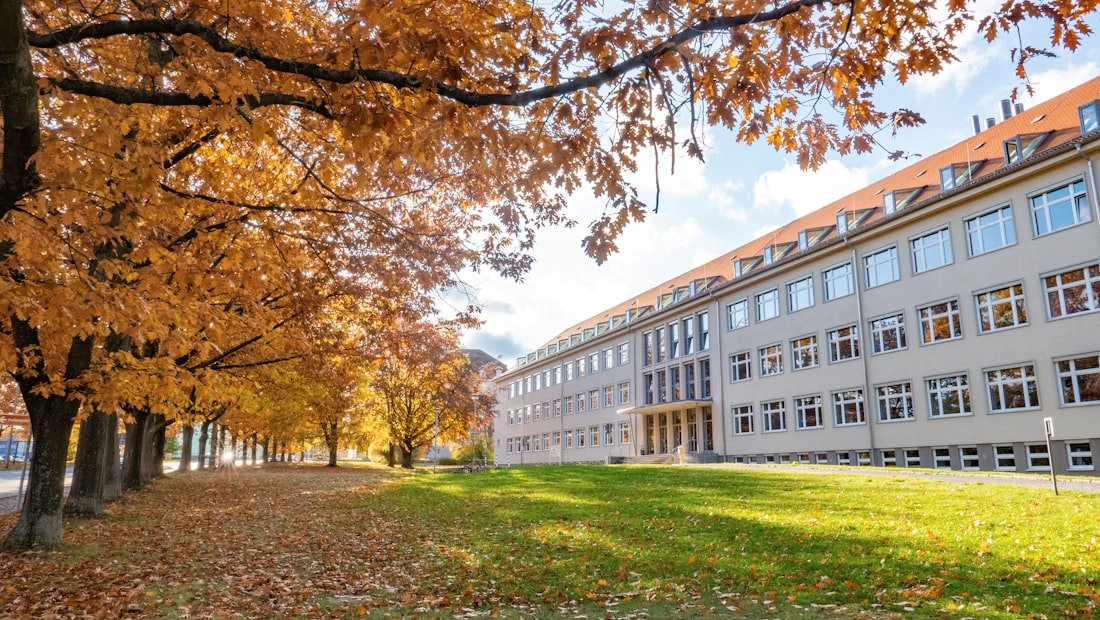
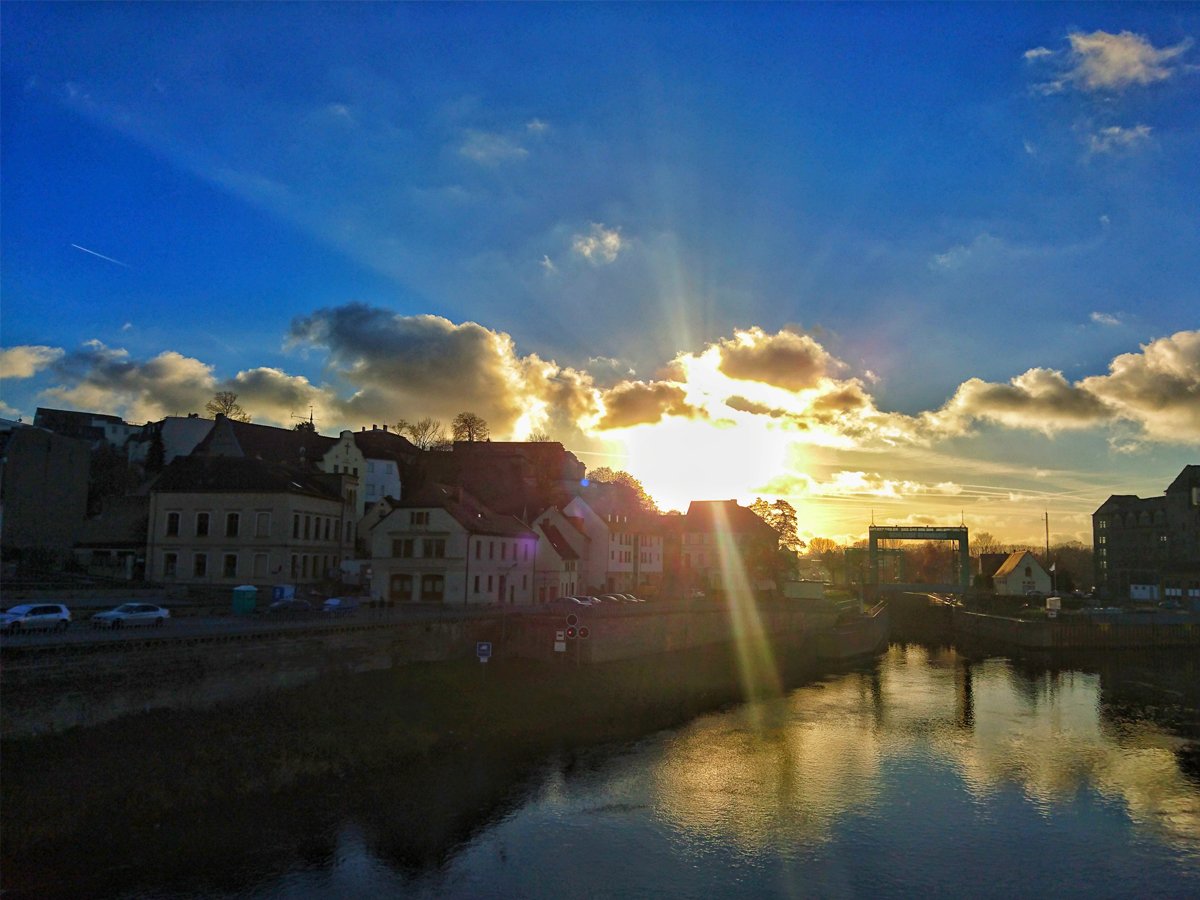
📍 Bernburg : a quiet, green, student-friendly city in the heart of Germany.
MSc
Master Structural Engineering (SEM)
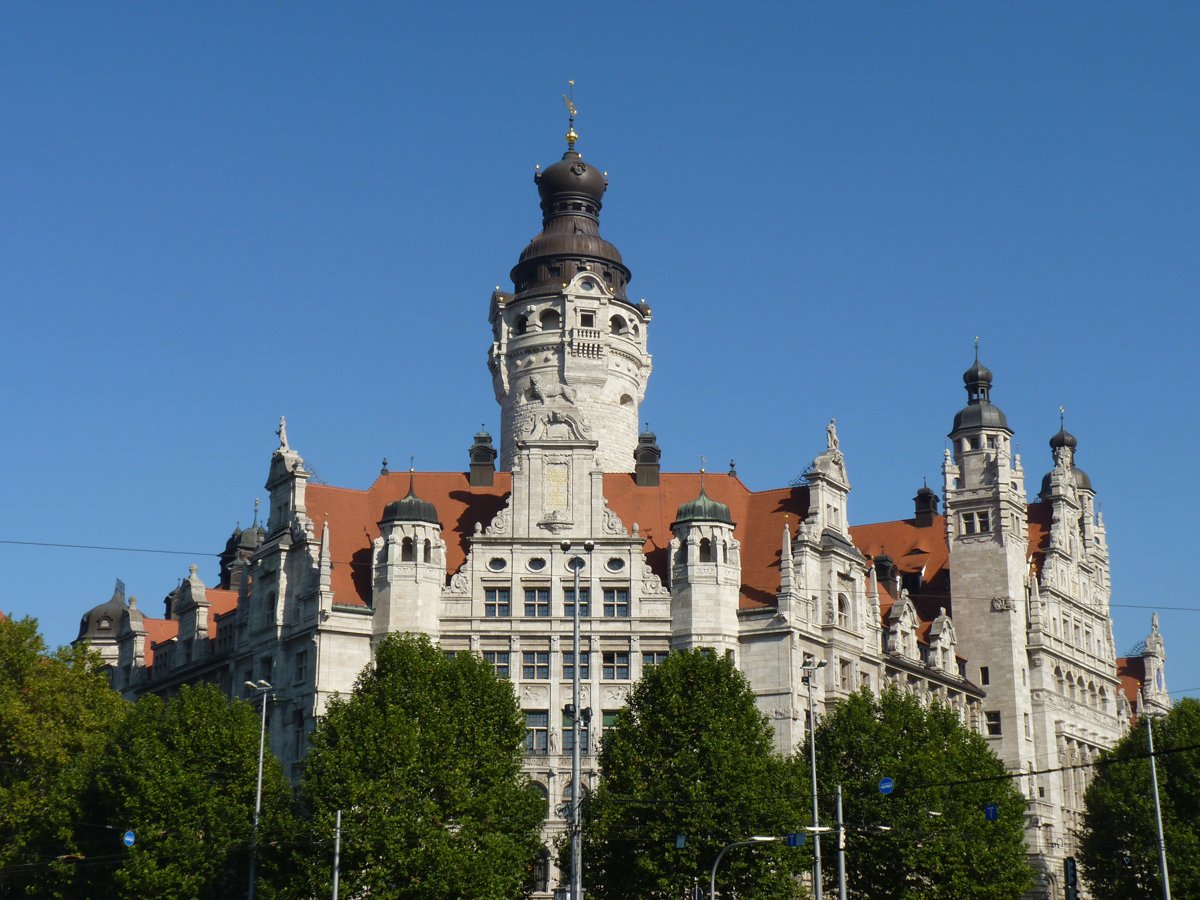
HTWK Leipzig University of Applied Sciences · 100% English
An international two-year degree for civil engineers specializing in structural engineering, with industry collaborations that let you work on real-world projects from day one.
Public universities in Saxony-Anhalt and Saxony charge no tuition fees. Your real investment is living costs, and we show you exactly what those look like.
Item
Indicative amount
University tuition (public)
€0, tuition-free*
Semester contribution
€150 – €400 / semester (student services; often includes regional transit)
Blocked account (visa proof of funds)
€11,904 per year, about €992 per month (official 2025 rate; this is your own money, released back to you monthly)
Rent & living (Bernburg · Leipzig)
€850 – €1,100 / month
Public health insurance (student rate)
≈ €125 / month
One-time setup costs
€500 – €900 (deposit, registration, basics)
Part-time work allowance
140 full days per year allowed. Typical student wages of €12 to €15 per hour offset €400 to €1,000 per month
*Small administrative exceptions may apply. Figures are planning estimates. The blocked-account amount is set annually by German authorities.
Cost-benefit analysis
Initial costs vs. projected earnings
Every pathway leads to an 18-month post-study work visa. Here is what families typically budget compared with what graduates earn.
Pathway
Time in Germany
Est. cash needed*
Typical starting salary**
Indicative payback***
MBA International Trade (1-year route)
About 1 year
€14,000 to €20,000
€45,000 to €60,000
About 6 to 9 months of net salary
MSc Structural Engineering (HTWK Leipzig)
About 2 years
€24,000 to €30,000
€48,000 to €58,000
About 6 to 8 months
International Business B.A. (2+2)
About 2 years
€22,000 to €28,000
€40,000 to €50,000
About 8 to 10 months
Projected graduate salaries (gross / year)
MBA International Trade€45k–€60k
Structural Engineering€48k–€58k
International Business B.A.€40k–€50k
How the math works
Net take-home pay in Germany is typically 58 to 62 percent of gross after tax and social insurance. Example: €50,000 gross gives roughly €2,550 to €2,650 net per month.
Payback = net out-of-pocket cost ÷ monthly net salary.
Part-time earnings during study can reduce total costs by €8,000 to €20,000 over two years.
The EU Blue Card becomes available at salaries from about €43,800 to €48,300 (2025 thresholds, lower for shortage occupations).
DCG supports visa, housing, and administration while Aartees prepares you on the Philippine side.
*Cash needed means living costs plus semester fees plus setup costs, minus typical part-time earnings. The blocked account is your own spending money. **Indicative 2024/25 market ranges for graduates at German employers and vary by city, company, and role. ***Net salary is about 58 to 62 percent of gross. Projections are planning estimates and no employment or salary is guaranteed.
How to start
Four steps to Germany
1Book a free profile evaluation with Aartees Education
2Choose your route (low-tuition public-university admission or the full-support DCG partner route) and your program: MBA, Structural Engineering, or International Business 2+2
3Preparation & application support on the Philippine side
4We coordinate with DCG for German-side processes
Ready for a German degree?
We review your academics, language level, and goals, then map out the most realistic route for you.